

St Helena AVA
QUICK AVA FACTS:
ESTABLISHED: 1995.
DISTINCTIVE AVA: Its unique hourglass shape (almost pinched by the surrounding mountain ranges) creates ideal growing conditions for fine wine grape growing
SIZE: The total AVA area is 12,000 acres with approximately 6,800 acres of planted vineyards.
SOIL TYPES: Home to 21 different soil types. Created from centuries of erosion runoff from mountain hillsides and a formerly more powerful Napa River and its ancient tributaries. Primary Soil types: Volcanic, sedimentary, and gravel clay
ELEVATION: 200-475 feet
VARIETALS: Predominately Cabernet Sauvignon, Cabernet Franc, Merlot, Syrah, Zinfandel, and Sauvignon Blanc
KNOWN FOR: Home to some of Napa Valley’s most historic and recognizable wineries and vineyards, this AVA is considered to be the birthplace of Napa Valley’s commercial wine industry.
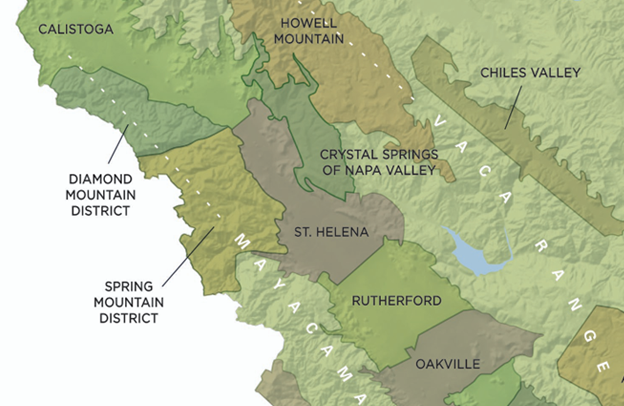
Image Credit: Napa Valley Vintners
THE HEART OF NAPA VALLEY:
Located in the heart of Napa Valley, St. Helena was the birthplace of Napa Valley’s commercial wine industry.
THE EARLY PIONEERS OF ST HELENA WINEMAKING LORE:
The first winery, Dr. Crane’s cellar, was founded in 1859, followed by David Fulton’s in 1860, and Charles Krug’s in 1861. Today, the Krug Estate remains the oldest operating winery in Napa Valley.
In 1875 Charles Krug banded together with local winemakers Henry Pellet and Seneca Ewer to organize the expanding group of local vintners and grape growers.
Their mission: to improve the quality of the wines coming from St. Helena to burnish the region’s winemaking reputation and generate demand for the wines.
PRIME GRAPE-GROWING LOCATION:
St. Helena AVA’s boundaries form an hourglass shape, with the middle section representing the narrowest width in the Napa Valley, where the Mayacamas and Vaca Mountain ranges nearly meet. This unique shape locks in heat during the day, amplifying the heat off the narrow hillsides, and funnels cool breezes at night, dropping temperatures dramatically – ideal growing conditions for fine wine grape growing.
The northern half of the appellation is similar in feel and temperature to Calistoga, while the southern half is kin with Rutherford. The soils vary from gravelly loam in the west to volcanic in the east. The appellation is also unique in that it contains alluvial fans on both sides of the valley.
GETTING YOUR BEARINGS:
Comprised of roughly 12,000 acres (approximately 6,800 acres are planted to grapes – the most of any other AVA in Napa Valley), St. Helena AVA is defined by Zinfandel Lane to the south, Bale Lane to the north, the intersection of Howell Mountain and Conn Valley Road to the east, and the 400-foot elevation line in the Mayacamas on the west. More than 400 different vineyards are located within the appellation
VOLCANIC SOILS:
The St. Helena AVA is a mosaic of alluvial fans and 21 different soil types. The soils here are created from centuries of erosion of runoff from mountain hillsides and a formerly more powerful Napa River and its ancient tributaries. These geographical features have formed a diverse soil composition – unlike any other in the valley.
Keep reading to learn more about our wineries (and wines) located in and around the legendary St. Helena AVA…
Featured Wineries:
Drawing its name from its unique geography, the vineyard sits at the narrowest point – the pinch – of the hourglass-shaped Napa Valley.
Jeff and Carolyn Smith own two magical parcels of land in Napa Valley. Ever since their first vintage in 1993, Hourglass has held an enviable spot as one of the most highly regarded Napa producers. The Blueline Vineyard on Silverado Trail came into production with the 2006 vintage, joining the very limited Hourglass Estate just north of St. Helena on Lodi Lane.
With the launch of this second property, we saw how Jeff and Carolyn have a knack for selecting exceptional sites and a determination to seek perfection.
Winemaker Tony Biagi, previously at Plumpjack, has taken over full-time winemaking from Bob Foley, who made the first 15 vintages, continuing Hourglass’ ability to go from strength to strength.

For over 30 years, Colgin Cellars has been crafting wines of perfume, freshness and minerality from exceptional hillside vineyards in the heart of Napa Valley. Driven by a love for the land and a reverence for the artistic beauty of fine wine, Colgin Cellars is synonymous with elegance, power, and longevity.
THREE UNIQUE VINEYARDS:
Their wines are deeply rooted in three exceptional vineyard sites: each is a unique expression of the land, with its own distinct characteristics that shape the wines.
The vineyards are meticulously cultivated and sustainably farmed to reveal its distinct character. From the elevated, volcanic soils of IX Estate to the storied and rare conditions of Tychson Hill, and the varied microclimates of Cariad, each estate offers a singular expression of its land.
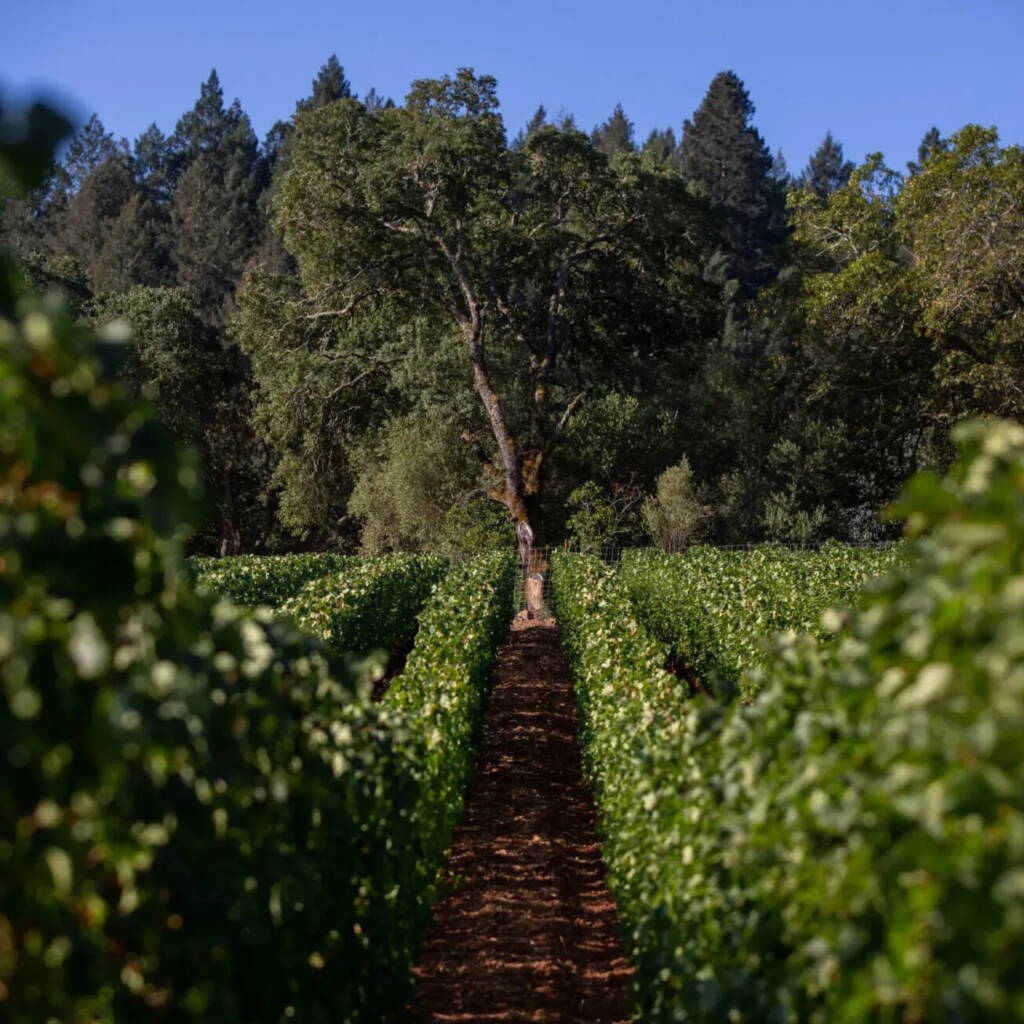
TYCHSON HILLS
Location: just north of the town of St Helena
Originally planted in the 19th Century and belonged to Josephine Tychson, the first woman to build a winery in the Napa Valley. The vineyard was removed during Prohibition and replanted in the mid 1990s by Ann Colgin with heritage clones of Cabernet Sauvignon. This aromatic and subtle wine is characterized by floral elements and red fruits.

CARIAD
Location: Western hills overlooking St Helena
Situated in the western hills overlooking St. Helena, Cariad is defined by these undulating slopes, rich in gravelly soil. With bountiful sunshine and a cool climate, the Cariad vineyard produces a striking, classic Cabernet Sauvignon-based blend from vines planted in the early 1980s.
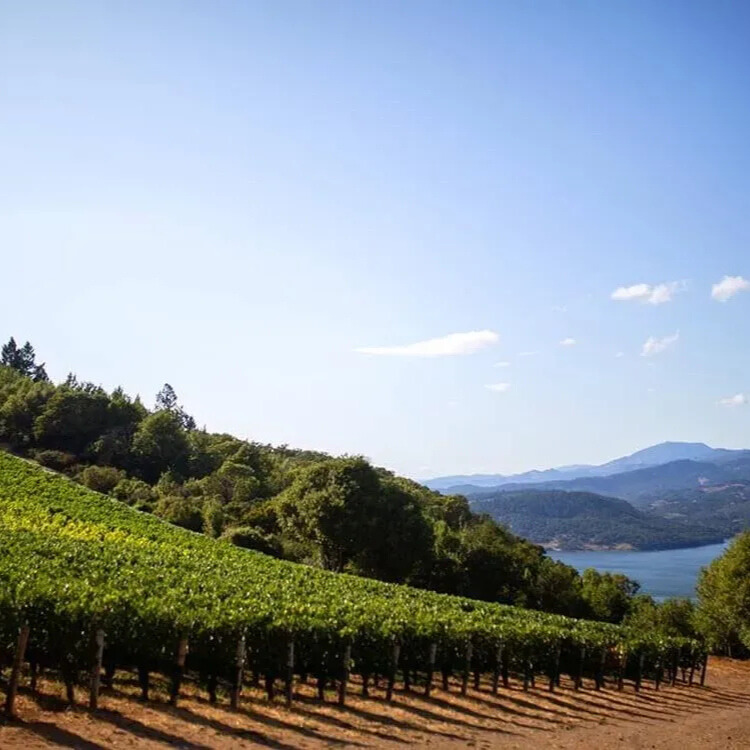
IX ESTATE
Location: The Pritchard Hill area overlooking Lake Hennessey
A Volcanic Vineyard
Eons of tectonic activity have shaped the Napa hills, and their rare soil gives shape to these unique wines.
Purchased as the ninth parcel in the break-up of a family land grant, IX Estate was carved into an east-facing slope overlooking Lake Hennessey. Wines from IX Estate are as dark and intense as the activity which molded the land.

Farmers at Heart:
Growing Exceptional Grapes is in Their Blood
The Stanton family has been growing and selling grapes in the Napa Valley since 1947, when Jesse Stanton purchased his first parcel, a 100 acre vineyard in Yountville.
Now, more than 50 years later, his grandson, Doug Stanton, along with Doug’s father, John, continue to personally cultivate and tend their three Napa Valley vineyards: one in Oakville and two in St. Helena. The Stanton vineyards are farmed organic.
Their fruit is sought by some of the most prominent wineries in the region including Stags Leap, Merryvale, Del Dotto, Orin Swift, and Groth.